
My favorite travel foods & strategies
The goal is not perfection, it's preparation! Travel doesn't derail progress. Lack of planning does. With a few simple strategies in place before you even pack your bag, you can stay consistent, enjoy your trip, and skip the guilt trip that usually comes with it. Here's exactly how.
Control What You Can Control
You can't control menus or schedules. You CAN control what you pack, your protein intake, portions, and mindset.
Book the Right Hotel
Look for a fridge & microwave
Call the hotel directly to request one if not listed
Extended-stay hotels often include full kitchenettes (Residence Inn, etc.)
Pack Like a Pro
Get Your Travel Cooler & Accessories
There are many airplane-friendly bag options on Amazon, or from SixPack Fitness (see below). Helpful accessories include a travel scale and ice packs.
Portable Heating Options
Small travel skillets (6" or 8") can be found on Amazon and easily packed in your luggage. Hot Logic also makes a portable oven for reheating food when a microwave isn't available — all you need is an outlet!
Stock Your Travel Bag: Non-Perishable Protein & Macro-Friendly Go-Tos
Protein powder (pre-portion it before you go)
Protein bars
Tuna or chicken packets
Jerky
Oatmeal packets
Rice cakes / tortillas
Honey packets
Single-serve nut butter
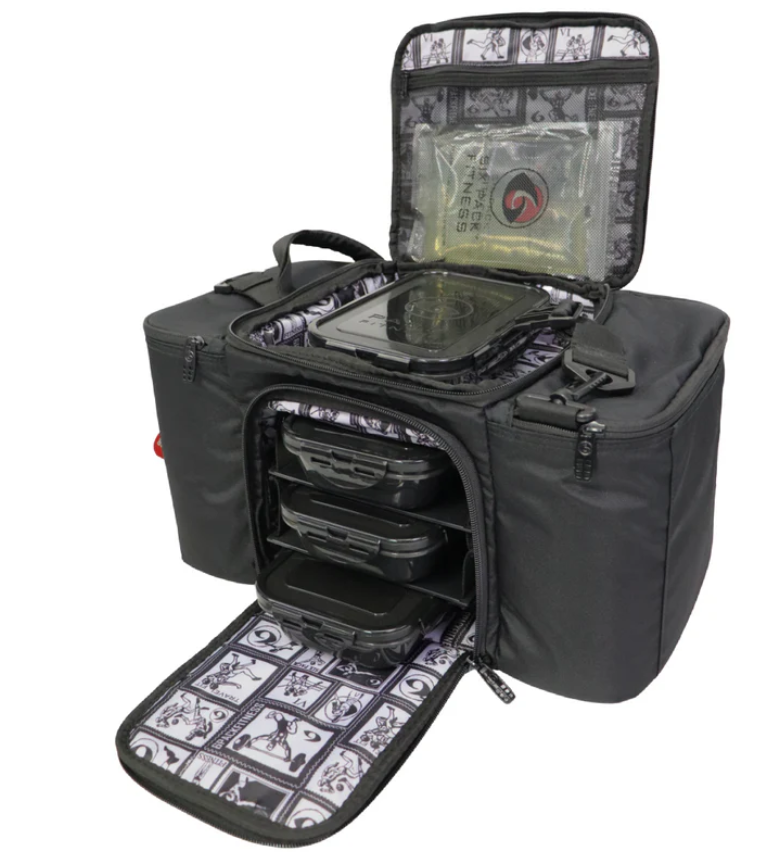
Set yourself up for success with a meal prep travel bag.
Pack as much of your meal prep as you like! You can pack an entire week of meals in most travel coolers. (Just remember: no liquids over 3.4 oz for carry-on.)
Restaurant Strategies
Protein-First Rule
Every meal is built around protein. Before asking "what sounds good?" ask instead: "Where is my protein coming from?" Hit your protein first, then fill in carbs and fats second. If you're low at night, your protein powder has your back.
How to Estimate Like a Pro
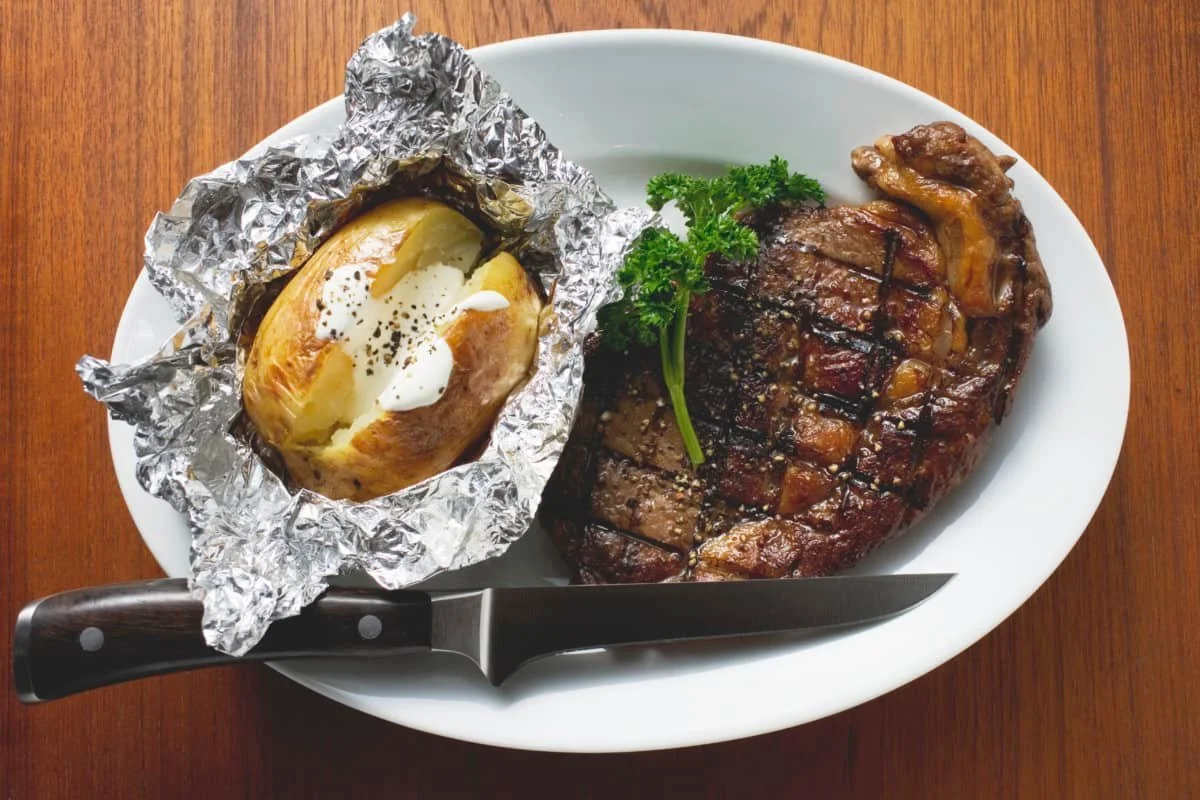
Here’s how to order. Don’t overthink it. Estimate quickly, trust yourself, and enjoy your meal.
Pick a lean protein first — lean steak, grilled chicken, shrimp, fish, or egg whites (breakfast)
Ask for sauces/dressings on the side so you can control the amount
Ask for no (or light) butter/oil — proteins and veggies tend to be cooked in oil but can usually be prepared without
Estimate using hand portions: palm = 4 oz protein, fist = 1 cup carbs, thumb = 1 tbsp fat
Log your best estimate, and move on
Bonus tip: Use entries from popular chain restaurants when you can't find the exact dish or item you're looking for.
Traveling doesn't mean starting over when you get back, it just means shifting the game plan for a few days. Pack smart, ask the right questions when you order, and remember: tracking a good estimate beats a perfect number you never track. Give yourself grace, stick to the strategies above, and you'll come home right on track.